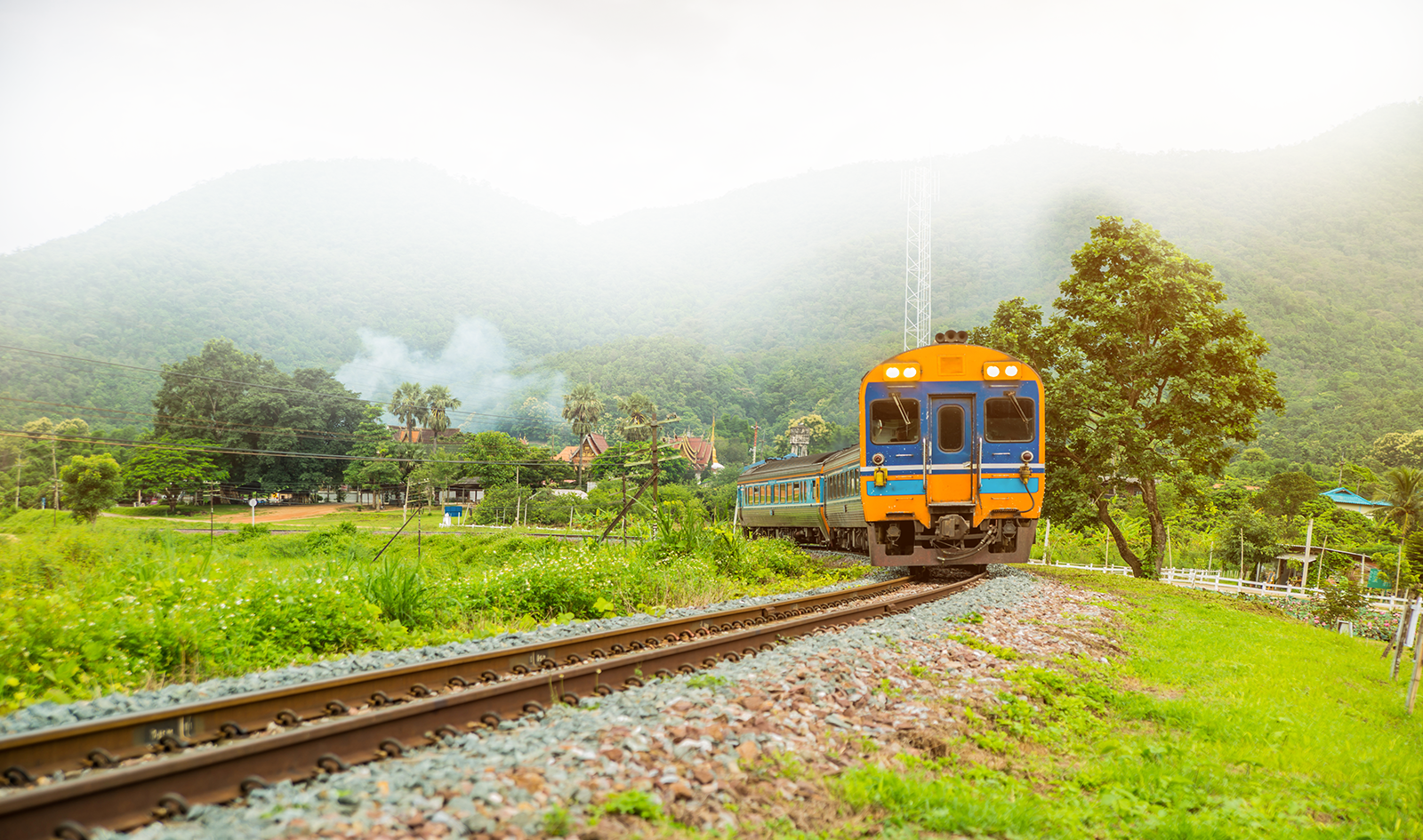
Krung Thep Aphiwat Central Terminal: Bangkok Station Guide
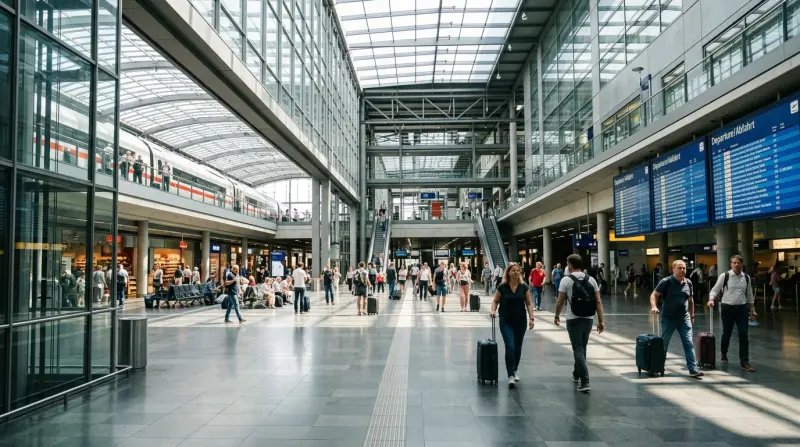
Krung Thep Aphiwat Central Terminal: quick station guide
Krung Thep Aphiwat Central Terminal is Bangkok's modern rail hub and the main departure point for long-distance trains across Thailand. If you are planning to travel by train from Bangkok to destinations such as Chiang Mai, Surat Thani, or Nong Khai, this is the station you will almost certainly use. This guide covers everything international visitors need to know — from getting to the station by metro, to understanding the layout, to finding your platform on the day of travel.
Whether you are a first-time visitor to Thailand or a seasoned Southeast Asia traveler, navigating a large, unfamiliar railway terminal can feel daunting. The information below is designed to reduce that stress, answer the most common questions, and help you feel confident before you arrive.
Station Naming: Krung Thep Aphiwat, Bang Sue Grand Station, and Other Names
One of the first sources of confusion for international travelers is the station's name. The full official name is Krung Thep Aphiwat Central Terminal (กรุงเทพอภิวัฒน์), which roughly translates to "Bangkok Prosperity Central Terminal." This name was formally adopted when the station began handling long-distance train services that previously departed from the old Hua Lamphong (Bangkok) terminal.
During construction and its early operation, the terminal was widely known as Bang Sue Grand Station. Some maps, ride-hailing results and drivers may still use that older name. Use the complete station name printed on your current ticket when confirming the destination.
Why the Name Matters for Travelers
When you tell a taxi or ride-hail driver where to go, using the name "Bang Sue Grand Station" or "Krung Thep Aphiwat" will generally get you to the correct location. If you are searching on Google Maps or similar platforms, trying both names can help if one does not produce results immediately. The MRT station that serves this terminal is called Bang Sue, which further reinforces the legacy name in everyday use.
For the purposes of this guide and most travel planning, you can treat "Krung Thep Aphiwat Central Terminal," "Bang Sue Grand Station," and the MRT station name "Bang Sue" as referring to the same general area — a large, modern rail complex in the northern part of Bangkok.
Getting to the Terminal: MRT Blue Line and SRT Red Line Access
The terminal is well connected to Bangkok's urban rail network, which is the most reliable way for international travelers to reach it without the unpredictability of road traffic.
MRT Blue Line — The Primary Metro Connection
The MRT Blue Line is Bangkok's main underground metro line and the most common way to reach the terminal from central Bangkok. The relevant station is MRT Bang Sue. From the MRT platform, clear signage directs passengers toward the rail terminal. The walk from the MRT station to the main hall of Krung Thep Aphiwat Central Terminal is covered and involves escalators and moving walkways in some sections.
If you are staying near areas like Silom, Sukhumvit (Asok), Chatuchak, or Khao San Road (via connecting bus or taxi to an MRT station), the Blue Line will likely be part of your journey to the terminal. Trains run frequently throughout the day, though the last services depart before midnight, so plan accordingly if you have an early-morning long-distance departure — in which case you may need to arrive the evening before or take a taxi.
SRT Red Lines — Suburban Commuter Rail
The State Railway of Thailand (SRT) Red Lines serve suburban corridors north and west of Bangkok. The Dark Red Line runs toward Rangsit, while the Light Red Line serves the Taling Chan corridor. Current endpoints and service limits can change, so check the current Red Line map before relying on an extension.
The Red Lines operate with modern, air-conditioned trains and are integrated with the terminal. They are less likely to be relevant for most international tourists, who tend to stay in central Bangkok, but they are worth knowing about if your itinerary takes you through the northern or western suburbs.
Other Ways to Reach the Terminal
- Taxi or ride-hailing apps: Widely available. Ask for "Krung Thep Aphiwat Central Terminal" and allow extra time during weekday rush hours, major events and holiday travel periods.
- City buses: Multiple bus routes serve the area. This option is inexpensive but can be slow and difficult to navigate without Thai language ability.
- From Suvarnabhumi Airport: One rail option is the Airport Rail Link to Makkasan, the connected walk to Phetchaburi MRT, and the MRT Blue Line to Bang Sue. A direct taxi is simpler with luggage but is subject to road traffic.
For a broader overview of planning rail journeys across the country, see the Thailand train travel guide on this site.
Arrival Buffer: How Early Should You Get There?
Arriving at the terminal with enough time to spare is one of the most important pieces of advice for international travelers unfamiliar with the station. While Krung Thep Aphiwat Central Terminal is a modern facility, there are several steps between arriving at the station building and sitting in your assigned seat on the train.
Suggested Arrival Times
- Long-distance sleeper trains: Aim to arrive at the terminal at least 45–60 minutes before your scheduled departure. This gives you time to find the correct entrance, pass through security screening, locate your platform, and board without rushing.
- Daytime long-distance services: A buffer of 30–45 minutes is generally reasonable, though more time is always better if it is your first visit.
- During peak travel periods: Thai public holidays and festival periods (such as Songkran in April and Loy Krathong in November) can mean significantly larger crowds. During these times, arriving 60–90 minutes early is sensible.
Why Extra Time Matters
The terminal is large. If you arrive at the wrong entrance or level, you may need several minutes to reorient yourself. Security checkpoints and ticket verification queues can also add time, especially in the evening before popular sleeper train departures. Having a buffer means you can stop at convenience stores, use the restroom, or simply take a moment to read the departure boards calmly.
If you are transferring from the MRT, add time for the walk from the metro platform to the main terminal hall. This walk is not instantaneous, especially with luggage.
Finding Your Platform
Krung Thep Aphiwat Central Terminal has multiple platforms serving long-distance, regional, and commuter trains. The specific platform for any given service can change depending on operational scheduling, so this guide intentionally avoids listing fixed platform assignments.
Departure Boards
Large electronic departure boards are displayed throughout the main hall. These boards typically show the train number, destination, scheduled departure time, and the assigned platform number. The information is generally presented in both Thai and English, which makes it accessible for international visitors. Check these boards after arriving and again periodically, as platform assignments can be updated.
Announcements
Public address announcements are made in Thai and, for major services, in English as well. However, the audio quality in a large, busy hall can make announcements difficult to hear clearly. Do not rely on announcements alone — use the departure boards as your primary reference.
Ticket and Boarding Pass Information
Your ticket (whether purchased online, at a counter, or at a kiosk) will indicate your train number, car number, and seat or berth number. It will not usually indicate the platform, since platform assignments are made closer to departure. Match your train number to the departure board to find the correct platform.
Getting to the Platform Level
The main hall is above the platform level. Escalators, elevators, and stairs lead down to the platforms. Signage at the top of these access points typically indicates which platforms can be reached from each set of stairs or escalators. Some platforms may require you to walk along the platform to find your specific car number — look for car numbers displayed on the platform edge or on the side of the train carriages.
Station Facilities
Krung Thep Aphiwat Central Terminal is a modern facility with a range of amenities aimed at making the traveler experience more comfortable. The following is a general overview of what you can expect to find.
Food and Beverages
Multiple food vendors, restaurants, and convenience stores are available within the terminal. Thai-style food courts and individual eateries offer affordable meals, snacks, and drinks. International chain convenience stores (such as 7-Eleven) are present, which is useful for stocking up on water, snacks, and other essentials before a long overnight journey. Prices within the terminal are generally reasonable, though they may be slightly higher than street-level options in the city.
Restrooms
Restrooms are available on multiple levels of the terminal. They are generally well-maintained but can become busy before large departure waves. Some restrooms may require a small fee or have an attendant present.
Waiting Areas
The main hall offers open seating areas. There may also be designated waiting zones closer to the platforms. During busy periods, seating can fill up, so some travelers choose to stand or sit on their luggage. Air conditioning keeps the interior comfortable, which is a notable advantage over older stations.
Ticket Counters and Self-Service Kiosks
SRT ticket counters are available for purchasing tickets in person. Self-service kiosks may also be present for certain types of bookings. During peak periods, counter queues can be long, so purchasing tickets in advance online (where available) is recommended. For information on booking long-distance routes like the Bangkok to Chiang Mai train or the Bangkok to Surat Thani train, consult our dedicated route pages.
ATMs and Currency
ATMs operated by major Thai banks are available within the terminal. The local currency is the Thai Baht (THB). Some food vendors and shops accept card payment, but having cash on hand is advisable, particularly for smaller purchases or for use at platforms where card readers may not be available.
Luggage Storage
Luggage storage or locker services may be available within the terminal. Availability and pricing can vary, so it is worth confirming on the day of travel. If you have heavy bags, taking advantage of storage can make the wait more comfortable.
Accessibility
The terminal includes elevators and ramps for travelers with mobility needs. The modern design of the station is generally more accessible than older Thai railway stations, though navigating a large, busy terminal with luggage can still present challenges. If you have specific accessibility requirements, arriving early gives you time to locate the appropriate facilities.
Long-Distance Journeys from Krung Thep Aphiwat Central Terminal
Krung Thep Aphiwat Central Terminal serves as the Bangkok terminus for the vast majority of SRT long-distance train services. Below are some of the most popular routes used by international travelers.
Northern Line — Bangkok to Chiang Mai
The overnight sleeper train from Bangkok to Chiang Mai is one of Thailand's most iconic rail journeys. The trip takes roughly 11–13 hours depending on the service, and passes through scenic countryside in the north. Both first-class and second-class sleeper berths are available, with air-conditioned and fan-cooled options. This route is extremely popular, especially during high season, so booking in advance is recommended. For full details, see the Bangkok to Chiang Mai train route page.
Southern Line — Bangkok to Surat Thani
Travelers heading to southern Thailand — including the islands of Koh Samui, Koh Phangan, and Koh Tao — often take the overnight train from Bangkok to Surat Thani, then connect by bus and ferry to the islands. This is a practical and scenic alternative to flying, and arrives at a time that aligns well with onward transport connections. The Bangkok to Surat Thani train page provides additional route information.
Other Popular Long-Distance Routes
- Bangkok to Nong Khai — for travelers heading to Laos via the Thai-Lao Friendship Bridge at Vientiane. An overnight service with sleeper berths.
- Bangkok to Hat Yai — for the deep south, connecting onward to Malaysia. Multiple services operate daily.
- Bangkok to Ubon Ratchathani — serving the northeastern Isan region. Both daytime and overnight services are available.
- Bangkok to Hua Hin — a popular daytime coastal journey to a seaside resort town, suitable as a half-day or day trip.
- Bangkok to Phitsanulok — a gateway to the Sukhothai Historical Park, often used as a stopover on the way to northern Thailand.
For a complete overview of how long-distance train travel works in the country, including booking tips, class comparisons, and packing advice, refer to our comprehensive Thailand train travel guide.
Tips for International Travelers
- Print or screenshot your ticket. While digital tickets on phones are increasingly accepted, having a backup printed copy can prevent problems if your phone battery dies or connectivity is poor.
- Carry your passport. Ticket verification and boarding may require identification. International travelers should keep their passport accessible.
- Dress in layers. Air conditioning in the terminal and on trains can be quite cold, especially on overnight sleeper services. A light jacket or sweater is advisable.
- Bring entertainment. Long-distance trains offer scenic views, but there are stretches of darkness or less visually engaging terrain. A book, downloaded music, or offline entertainment helps pass the time.
- Secure your valuables. As with any large public transportation hub, keep your belongings close. Use the provided chain and lock on sleeper berths for bags, or keep essential items with you at all times.
- Learn a few Thai phrases. While signage at the terminal is bilingual, a simple "sawasdee krap/ka" (hello) and "khob khun krap/ka" (thank you) go a long way with staff and fellow passengers.
Quick Reference Table
Live timetable and fare: Search your travel date to confirm current departures, available classes, and the price shown for that journey.
Frequently Asked Questions (FAQ)
1. Is Krung Thep Aphiwat Central Terminal the same as Hua Lamphong?
No. Krung Thep Aphiwat Central Terminal (Bang Sue Grand Station) replaced Hua Lamphong (the old Bangkok railway station) as the main long-distance rail terminus. Hua Lamphong may still handle limited or special services, but the vast majority of long-distance SRT trains now depart from Krung Thep Aphiwat. If your ticket says your train departs from Krung Thep Aphiwat, that is where you need to go — not Hua Lamphong.
2. Can I buy train tickets at the terminal on the day of travel?
Tickets can be purchased at SRT counters within the terminal. However, popular routes — especially overnight sleeper services to Chiang Mai and Surat Thani — can sell out days or even weeks in advance during high season. Purchasing tickets online or well ahead of your travel date is strongly recommended for long-distance journeys.
3. How do I get from Krung Thep Aphiwat to Suvarnabhumi Airport?
A taxi or ride-hailing service is straightforward with luggage but depends on traffic. By rail, take the MRT Blue Line from Bang Sue to Phetchaburi, follow the connected walk to Makkasan Airport Rail Link, and continue to Suvarnabhumi. Allow a generous transfer buffer.
4. Is there Wi-Fi at the terminal?
Wi-Fi availability and quality at the terminal can vary. While some connectivity may be offered, it is advisable to have your own mobile data plan or a local SIM card as a reliable backup. Thai mobile data plans are inexpensive and widely available at airports and convenience stores.
5. What is the best way to get from the MRT station to the train platforms?
Follow signs from MRT Bang Sue toward the railway terminal. Once inside the main hall, check the departure board and staff directions for the correct platform-access point; do not assume a fixed level or gate. The transfer and terminal walk take time, especially with luggage, so arrive with a comfortable buffer.
Conclusion
Krung Thep Aphiwat Central Terminal is the gateway to Thailand's long-distance rail network for the vast majority of travelers departing from Bangkok. Despite its large size and multiple names, the station is modern, reasonably well-signposted in English, and connected to the city's metro system for convenient access. The key to a smooth experience is arriving early, checking departure boards for your platform, and having your ticket and identification ready.
Thailand's long-distance trains offer some of the most rewarding travel experiences in Southeast Asia — from the overnight journey through the mountains to Chiang Mai to the coastal ride south toward the Gulf islands. Understanding the terminal is the first step to enjoying these journeys with confidence.
For more detailed route planning, class comparisons, and booking advice, explore the full Thailand train travel guide or browse our individual route pages such as Bangkok to Chiang Mai and Bangkok to Surat Thani.
Last verified: August 10, 2026. Information may change over time. Always confirm current details with official SRT sources or at the station before traveling.